

October 2026 · Injury Prevention
Injury Prevention: Strategies for a Pain-Free and Active Lifestyle
Staying active should help you feel strong and capable. A smart injury prevention plan looks at the physical factors that may raise your risk before they become bigger problems. For active adults, this means training with purpose and paying attention to how the body responds.
01 Around the Bay
Now open
Northgate:
a new neighborhood location.
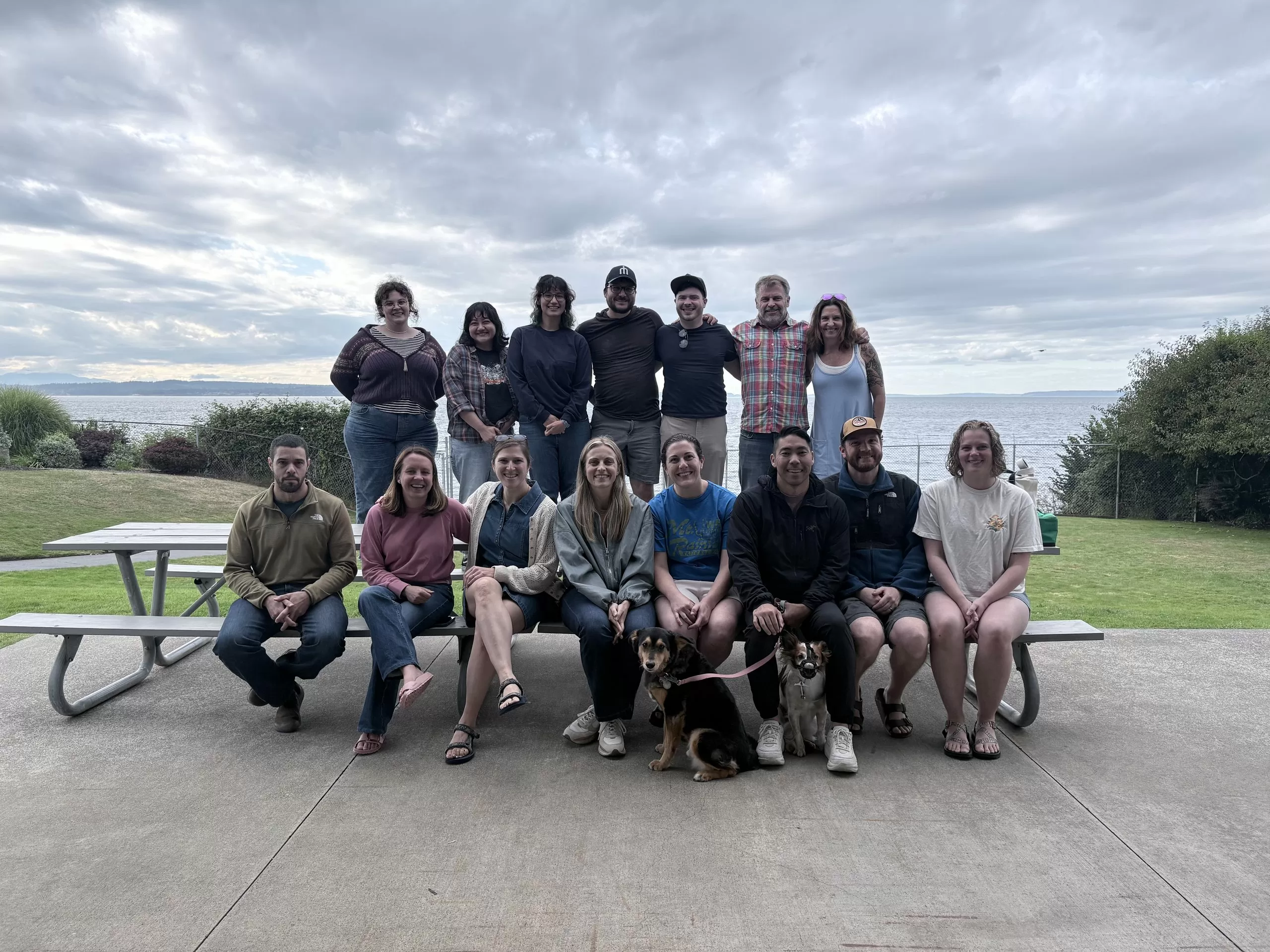
Salmon Bay Physical Therapy has opened its Northgate clinic, giving patients another local option for one-on-one physical therapy, manual therapy, women’s health, and gait and running analysis.
10700 Meridian Ave N, Suite 210
Seattle, WA 98133
02Injury prevention
Strategies for a pain-free and active lifestyle
Identifying Common Physical Risk Factors
Injuries often develop when the demands placed on the body exceed what it is ready to handle. This can happen even when you are fit and experienced.
Common risk factors may include:
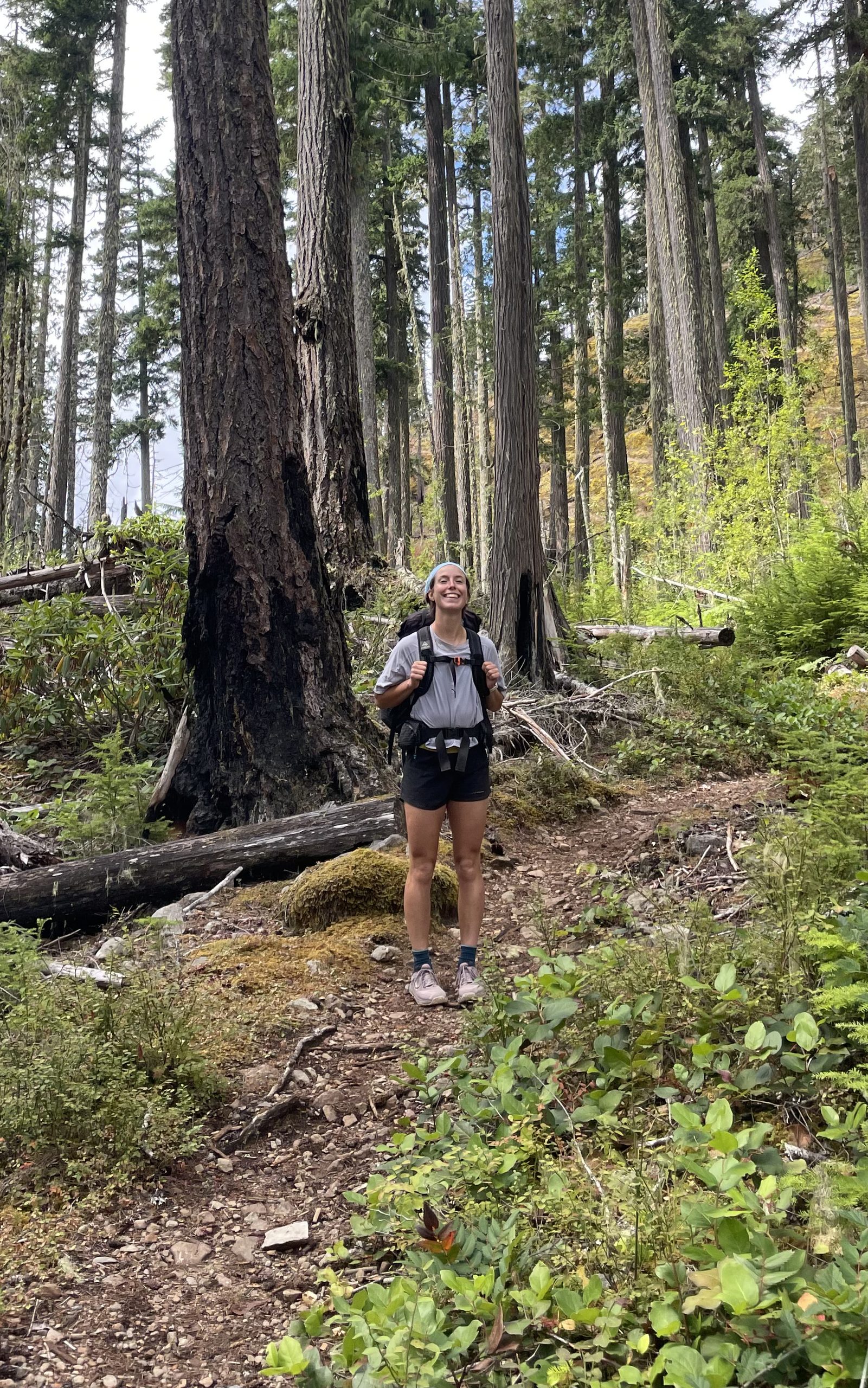
Field note Staying injury-free is not about training less. It is about training smarter.
01
Sudden changes in training demands
02
Limited joint mobility
03
Muscle weakness or poor endurance
04
Repeated stress without enough recovery
05
Changes in movement control
06
Poor sleep or ongoing fatigue
07
Training through symptoms that keep returning
These factors do not mean an injury will happen. They can simply point to areas where injury prevention may help you train with greater confidence.
Staying injury-free is not about training less. It is about training smarter. Salmon Bay Physical Therapy can help you build the physical foundation that makes that possible. Book your assessment today.
The Early Warning Signals That Active Adults Push Through
Active people are often used to soreness and fatigue. That can make it easy to overlook small changes that deserve attention.
You may notice that one side feels less steady during a workout. A familiar movement may feel harder or less smooth. You might also change how you run, lift, jump, or reach because something does not feel right.
These signs do not always mean you are injured. However, repeated changes in comfort or movement may be a reason to adjust your training.
A Smart Injury Prevention Framework for Active Adults
A strong injury prevention approach does more than focus on one muscle or joint. It considers training, recovery, movement, and the demands of your favorite activities.
Helpful strategies include:
Build training demands gradually.
Give your body a chance to adapt as activity becomes harder.
Make strength training part of your routine.
Strong muscles can help your body manage the forces created during sports and exercise.
Work on mobility where you need it.
Good joint motion can support comfortable and efficient movement.
Practice balance and control.
These skills matter during quick turns, uneven surfaces, and other challenging movements.
Vary your activity.
Changing some parts of your routine can reduce repeated stress on the same areas.
Respect recovery.
Sleep, rest, and proper nutrition help your body respond to training.
Pay attention to small changes.
Recurring soreness, stiffness, or weakness can offer useful information.
Match training to your goals.
Your program should prepare you for the actual demands of your sport or activity.
The best approach is one you can use consistently. Injury prevention should support an active lifestyle rather than make you afraid to move.
What a Proactive Movement Assessment Looks For
A physical therapist can look at how your body handles the movements that matter to you. At Salmon Bay Physical Therapy, the goal is to find areas that may affect how you move or manage physical stress.
An assessment may look at joint mobility, strength, movement symmetry, and load tolerance. Your therapist can also consider how these factors relate to your sport, workouts, work, and daily activities.
Transitioning from Prevention to Active Care
Sometimes an assessment finds an issue that needs more direct care. Your physical therapist can then build a plan around your symptoms, activity needs, and goals.
Care may focus on improving strength, mobility, movement control, or tolerance for activity. The plan can change as your body responds and your abilities improve.
Knowing When to Partner with a Professional
You do not need to wait for a major injury before asking for help. Injury prevention can be especially useful when your body starts giving you the same warning signs again and again.
Consider an assessment if you notice:
- Pain that keeps returning with activity
- Swelling that does not settle as expected
- Ongoing weakness or instability
- A clear change in how you move
- Trouble returning to your usual activity level
- Symptoms that continue to get worse
- Numbness, tingling, or other unusual sensations
Severe symptoms, sudden loss of function, or symptoms after a significant injury may require prompt medical evaluation.
The athletes who train the longest are the ones who took prevention seriously early. Salmon Bay Physical Therapy is ready to help you become one of them. Reach out to arrange your evaluation.
One-on-one care. A plan built around you.
Let’s make everyday movement feel possible again.
03Fall hiking
Is Your Body Ready for Fall Hiking?
Cooler temperatures and colorful foliage make fall one of the best times to hit the trails. But uneven terrain, longer climbs, and slippery leaves can place extra demands on your muscles and joints. Taking a few weeks now to prepare your body can help you hike farther, feel stronger, and help reduce your risk of injury.
Prepare Your Body for Winding Trails and Steep Terrain
1. Get your legs trail-ready.
Strong legs help you manage steep climbs and controlled descents. Exercises like squats, step-ups, and lunges can help build strength where you need it most.
2. Work on your balance.
Hiking trails are rarely flat. Balance exercises, such as standing on one leg or heel-to-toe walking, can help your body react to rocks, roots, and uneven ground.
3. Build your endurance.
If you’ve spent the summer away from the trails, avoid jumping into a long hike right away. Begin with shorter walks at a lower incline and gradually increase your distance and elevation. This gives your muscles, heart, and lungs time to adapt.
Enjoy Every Step This Fall
A little preparation goes a long way, especially when it comes to fall hiking. And if you’d like a little more personalized guidance, don’t hesitate to reach out to Salmon Bay Physical Therapy!
Our one-on-one approach helps identify movement or areas of weakness before they become bigger setbacks. Through hands-on treatment, personalized strengthening, balance training, and Pilates-based rehabilitation, we can help improve your stability, confidence, and endurance so you’re better prepared for the trails ahead.
If you want to ensure you make the most of your fall hikes, schedule an evaluation with our team today. We’re here to help you treasure every mile.
04 Team/Testimonials
Meet the team
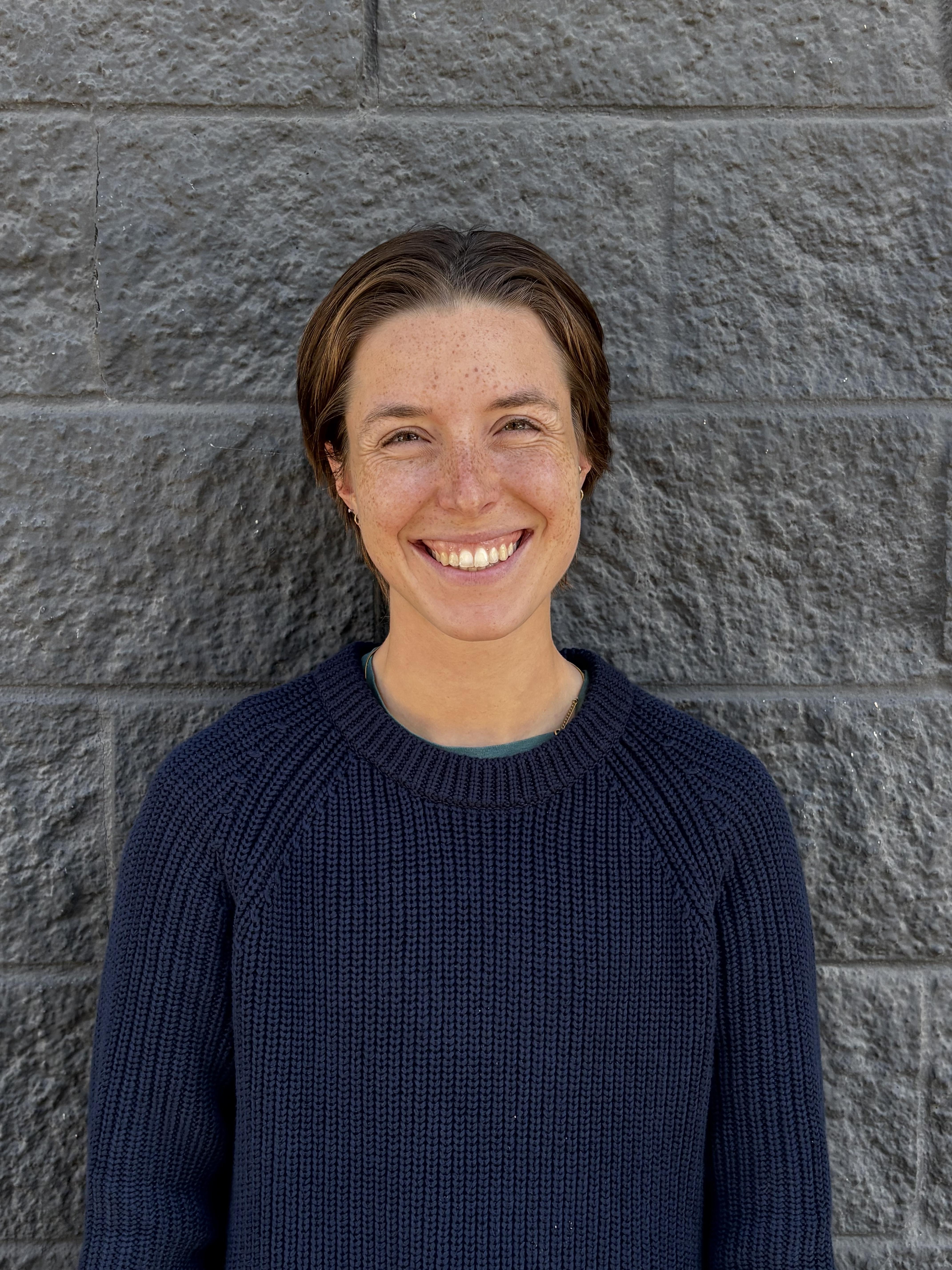
Rachael
Rachael has been part of the Salmon Bay team since 2022 and will be moving up to help manage our new Northgate clinic.
Rachael enjoys working with individuals of all ages and abilities. She focuses on working with endurance athletes, performing running analyses and bike fits at the clinic, and loves working with weekend warriors and high school athletes recovering from injuries or returning after surgery.
Outside the clinic, Rachael remains active outdoors, enjoying weightlifting, running, and reading; however, she is often found on the rugby pitch with her team.
05 Move better
Exercise of the month
Lunges
How to perform
- Stand tall with your feet hip-width apart.
- Step one foot backward and lower your back knee toward the floor, keeping your front knee aligned over your ankle.
- Push through your front heel to return to the starting position.
- Alternate legs with each rep. 3 Sets, 10 Reps (each leg).
06Recipe of the month


Creamy Butter Chicken
A deliciously mild spice dish that is easy to put together this Creamy Butter Chicken is a recipe that is full of flavor and one that you will want to make over and over.
Ingredients
- 2 Tablespoons oil
- 1 1/2-2 pounds chicken breasts cut into pieces
- 6 Tablespoon butter
- 1 small onion finely diced
- 2 Tablespoons minced garlic
- 2 Tablespoons grated fresh ginger
- 1 Tablespoon garam masala
- 1 teaspoon turmeric
- 1 teaspoon smoked paprika
- 1 teaspoon chili powder
- 1 teaspoon salt
- 15 ounce can diced tomatoes undrained
- 6 ounce tomato paste
- 1 cup chicken broth
- 1 cup heavy cream
- ¼ cup chopped cilantro optional
Instructions
- Heat oil in a large skillet over medium high heat. Add chicken and stir to cook until done, about 5 to 7 minutes. Remove from skillet and set aside.
- Melt butter in the same skillet, then add the onion, garlic and ginger. Cook until onions are translucent, about 3 to 5 minutes.
- Add the garam masala, turmeric, smoked paprika, chili powder and salt and mix well, cooking about a minute to let the flavors meld together.
- Add the diced tomatoes, tomato paste and chicken broth and return the cooked chicken to the skillet. Bring to a boil, then lower heat and simmer uncovered 10 to 15 minutes, until sauce has thickened.
- Remove from heat and stir in the heavy cream and cilantro.
- Serve over rice, if desired.
Strength. Mobility. Life.
Your goal deserves a plan.
Whether you want to move through the workday more comfortably, return to training, or keep up with the people you love, we are ready to help.