
Don’t Let Jaw Pain Keep You From Living Life
Persistent jaw pain can make simple activities surprisingly difficult. Activities you don’t think twice about–like yawning, eating a meal, or speaking for long periods–may become uncomfortable when your jaw is not functioning properly. Some people also experience headaches, neck pain, or clicking in the jaw that interferes with daily life. If you are looking for treatment for TMJ dysfunction in North Ballard, Ballard Bridge and Northgate of Seattle, WA, Salmon Bay Physical Therapy can help you identify the source of your symptoms and improve how your jaw moves and functions.
Many people assume jaw pain will eventually go away on its own. Unfortunately, ongoing symptoms can make eating, sleeping, concentrating, and participating in social activities more challenging. Physical therapy helps address movement limitations, muscle tension, and other factors that may be contributing to discomfort.
What Is TMJ Dysfunction?
TMJ stands for temporomandibular joint, which is the joint that connects the jaw to the skull. This joint works together with muscles, ligaments, and surrounding structures to allow you to move your mouth comfortably.
TMJ dysfunction occurs when the joint or surrounding muscles are not working properly. Symptoms can develop gradually or begin after an injury, dental procedure, illness, or period of increased stress. Because the jaw is closely connected to the head, neck, and upper body, TMJ dysfunction can affect more than just the jaw itself.
Common Causes of TMJ Dysfunction
- Teeth grinding or clenching
- Excess jaw muscle tension
- Stress-related muscle tightness
- Jaw injuries
- Arthritis affecting the jaw joint
- Poor posture
- Neck dysfunction
- Joint irritation
- Repetitive jaw movements
- Previous dental procedures
Common Signs and Symptoms
TMJ dysfunction doesn’t just affect the jaw! Look out for these signs:
How Salmon Bay Physical Therapy Treats TMJ Dysfunction
Our physical therapists begin with a thorough evaluation of your jaw movement, muscle function, posture, neck mobility, and symptoms. Our goal is to consider how the jaw, neck, and surrounding muscles work together so we can identify key contributing factors and develop a treatment plan that addresses them directly. Techniques we might suggest include:
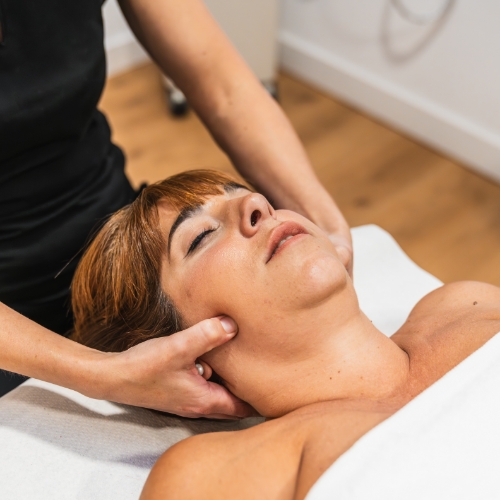
- Manual Therapy: Hands-on treatment helps improve jaw and neck mobility while reducing muscle tension and stiffness.
- Jaw Mobility Training: Specific exercises help restore comfortable jaw motion and improve function during daily activities.
- Postural Education: Postural training helps reduce unnecessary strain on the jaw, neck, and surrounding muscles.
- Relaxation and Muscle Control Strategies: Guided techniques help reduce excessive jaw tension and improve muscle awareness.
The Benefits of Choosing Salmon Bay Physical Therapy for Jaw Pain Treatment
Our team understands that TMJ dysfunction can affect many aspects of daily life, often in surprising ways. Because every patient’s experience is different, we take time to understand your specific concerns and goals.
At Salmon Bay Physical Therapy, you’ll always receive one-on-one care delivered by a physical therapist, not an aide or technician. We focus on identifying contributing factors rather than only addressing the painful area.
As a locally owned practice, Salmon Bay Physical Therapy remains committed to helping members of our community stay active, healthy, and engaged in the activities they enjoy.
FAQs
Can physical therapy help with jaw clicking and popping?
Why does TMJ dysfunction cause headaches?
Can stress make TMJ symptoms worse?
Improve Jaw Function and Get Back to Daily Life
TMJ dysfunction can make everyday activities more difficult than they should be. The right treatment plan can help improve jaw mobility, reduce limitations, and support better function.
If you are looking for physical therapy for TMJ dysfunction or jaw pain, Salmon Bay Physical Therapy is ready to help. Request an appointment at our North Ballard, Ballard Bridge or Northgate of Seattle, WA clinic today.
Your Next Steps…
- Request An Appointment
- Receive A Custom Treatment Plan
- Work Hard and Progress In Your Recovery
- Recover & Enjoy Life Pain-Free