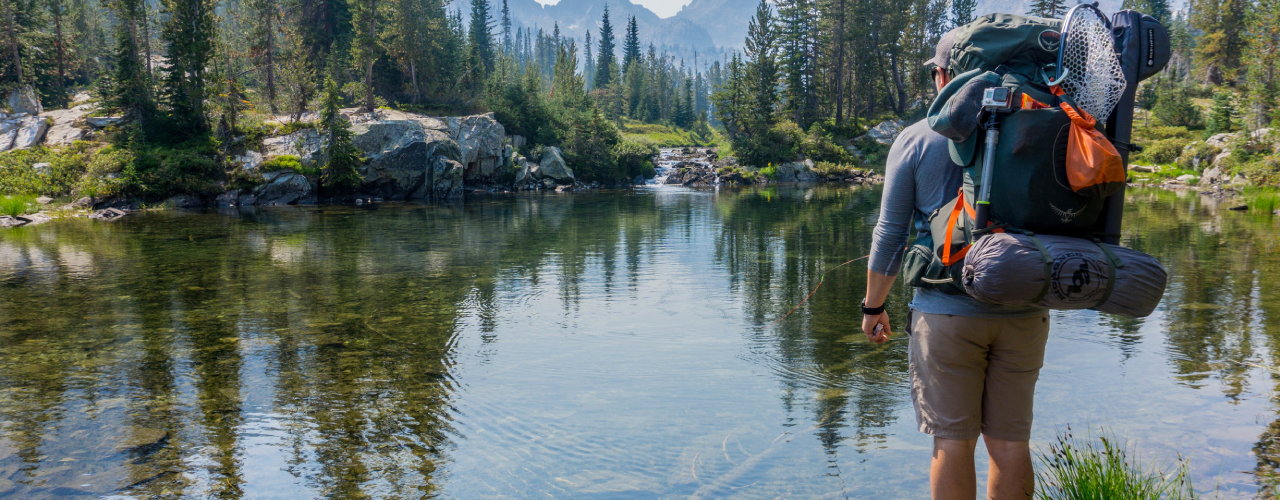

A great aspect of living in the Pacific Northwest is the sheer amount of easily accessible hiking trails. You could try, but it might take you two lifetimes to hike every trail in Washington. With summer on the horizon and our stay-at-home orders are easing, many of us will start emerging from our homes in order to hit the trails. If this includes you, please remember to follow proper trail etiquette to help us still maintain appropriate social distancing with increasing trail usage.
YIELDING THE RIGHT OF WAY: Horses are huge, so yield to horses, period. Step off the downhill side of the trail, stop, and speak calmly. When approaching another hiker, uphill traffic should generally be given the right of way. If a convenient spot is available, pull over and allow the uphill hiker, runner, or cyclist to pass. Do not continue to move forward once off the trail, as this leads to the creation of multiple trails and increases the impact on the land.
ANNOUNCE YOURSELF: Say “hello” to fellow trail users. Be courteous, respectful, and announce your presence if approaching someone from behind. And please don’t yell “BOO!” It generally doesn’t go well and frightens people.
SLOW DOWN: When bikers and hikers share the same trail, patience is key. The most important tip for the survival of a trail is traveling at a safe and appropriate speed. Both foot and bicycle users must travel at a speed conducive to the trail design. Washboard trails and extra wide or multiple parallel trails are caused by poor speed control. Negative encounters with fellow trail users can be reduced by knowing your safe speed and being aware of your surroundings.
LEAVE NO TRACE: Pack out what you pack in. If you see trash on a trail, pick it up. Make your parents proud.
RESPECT TRAIL CLOSURES: Trail closures apply to everyone and are mandated for a reason. Most of the trails with group size restrictions are narrow, steep, and inherently dangerous for high volume use.
STAY ON THE TRAIL: If the trail is snowy or icy, wear traction devices. If your shoes or mountain bike tires sink deeply into the mud, you should not ride that particular trail until it dries out. Do not create a new trail by avoiding mud, puddles, or other trail users.
SUPPORT OUR TRAILS: Give back to our local trail network. The Washington Trail Association and Evergreen Mountain Bike Alliance are great local associations that help maintain and fund our trail systems.
Hope to see you out there!